Penn Dental In-Home Oral Hygiene Device
Penn Dental Medicine has developed a technology that uses nanoparticles for oral hygiene. Through this collaboration, we explored integrating this technology into everyday household products.
Copyright for this work belongs to the University of Pennsylvania School of Dental Medicine.
Displayed content is limited.

Penn Dental
In-Home
Oral Hygiene Device
Brushing & flossing in one system
Highly precised & effective
Minimally invasive
Magnetic nano-particle robots for rapid, thorough oral cleaning
Controlled by magnetic fields
Target hard-to-reach areas
The Technology
Advantages for In-Home Use
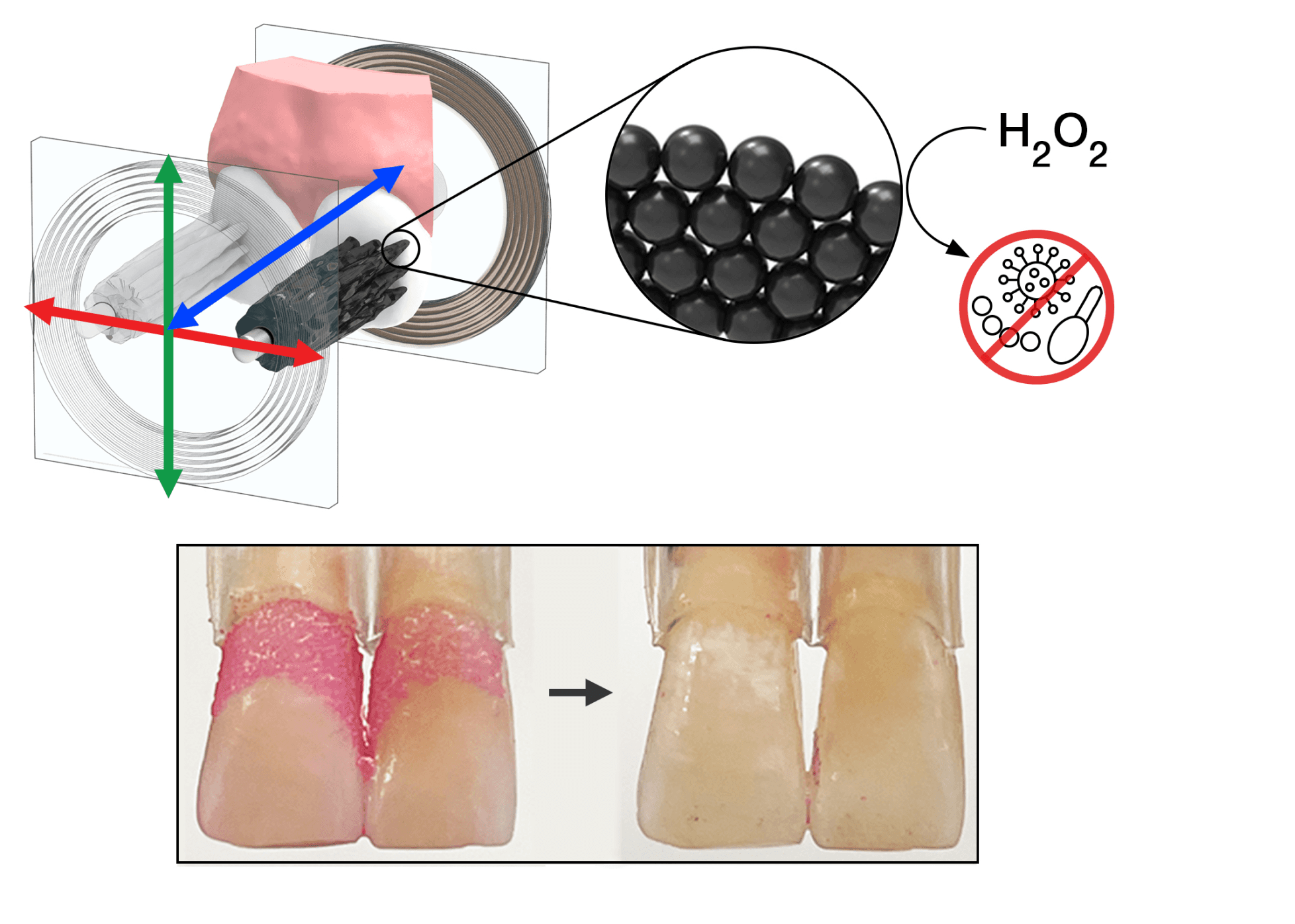
Source : https://www.dental.upenn.edu/news-events/2025/04/24/microrobots-navigate-diverse-oral-environments-to-deliver-therapies/
Secondary Research
3
Expert Conversations
34
In-Person Interviews

Victoria Fishman

Dr. Alicia Risner-Bauman
Assistant Professor at Penn Dental Medicine

Jenna Borges
Co-founder of Swiv Toothbrush
Co-founder of Swiv Toothbrush
1. People with sensory sensitivities need something that feels REALLY comfortable in the mouth
2. Size, shape, and duration all affect whether people with cognitive challenges can manage the device.
3. Parents of children with disabilities are more open to trying new products.
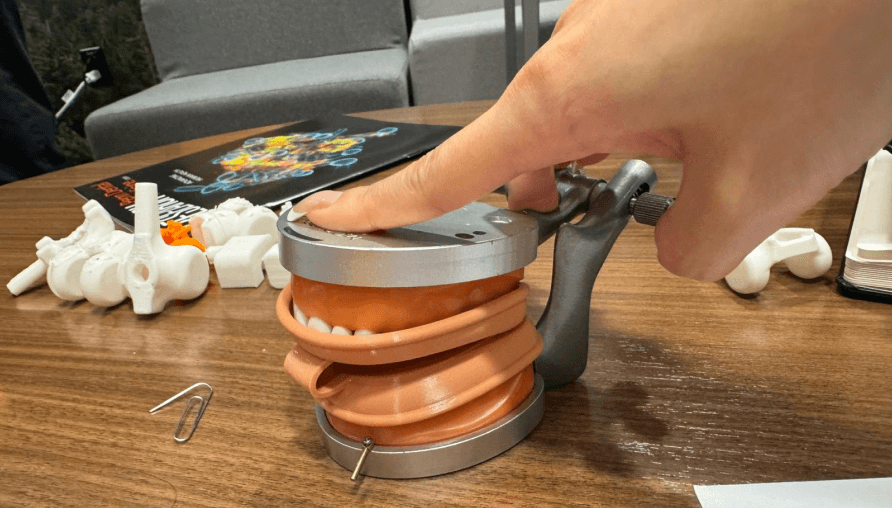
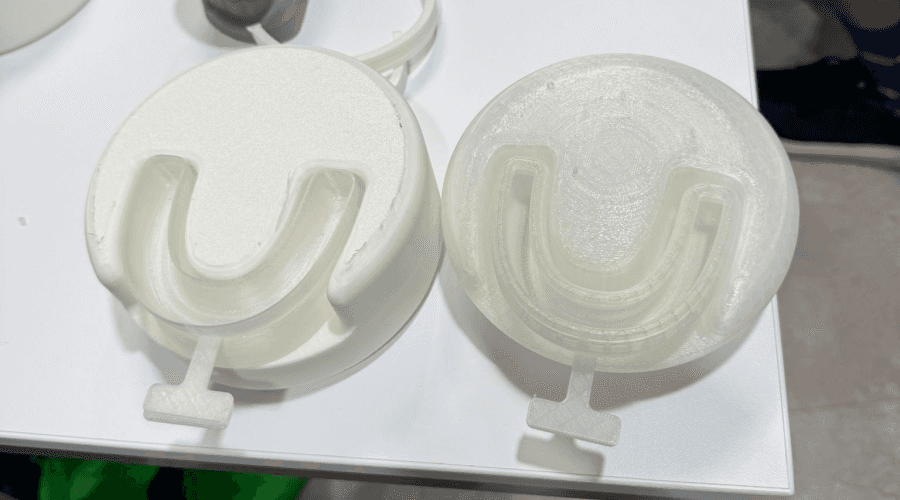
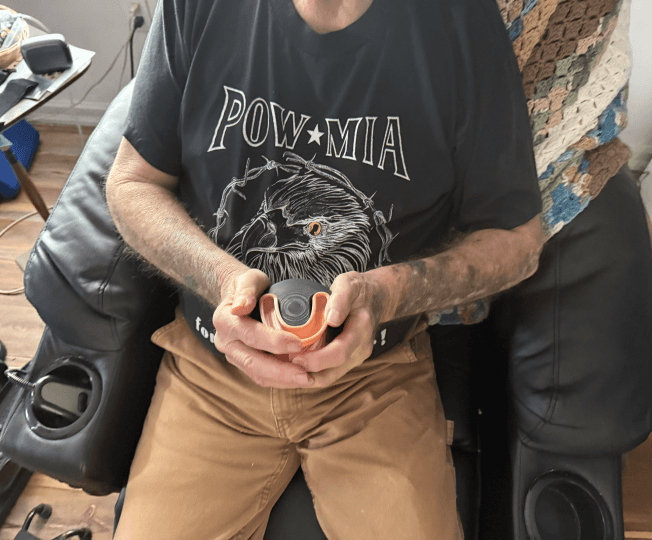
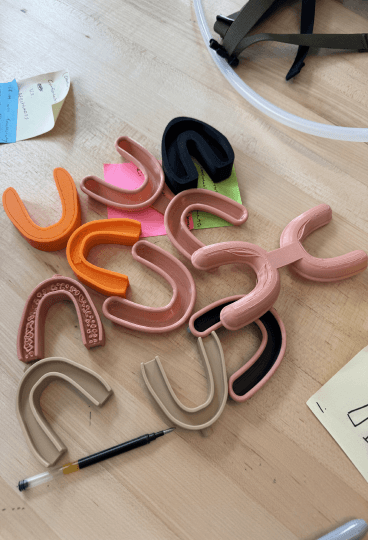
Co-Design Sessions
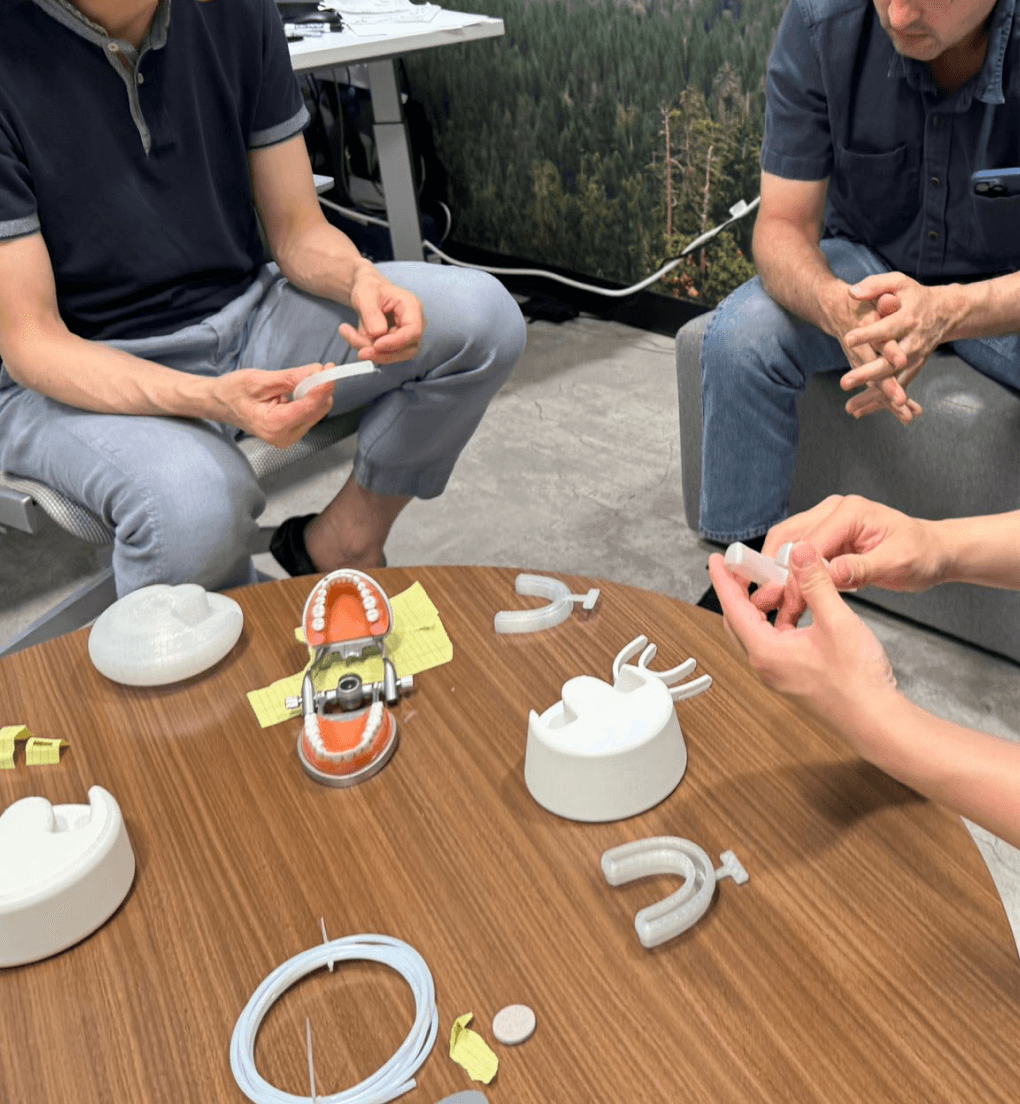
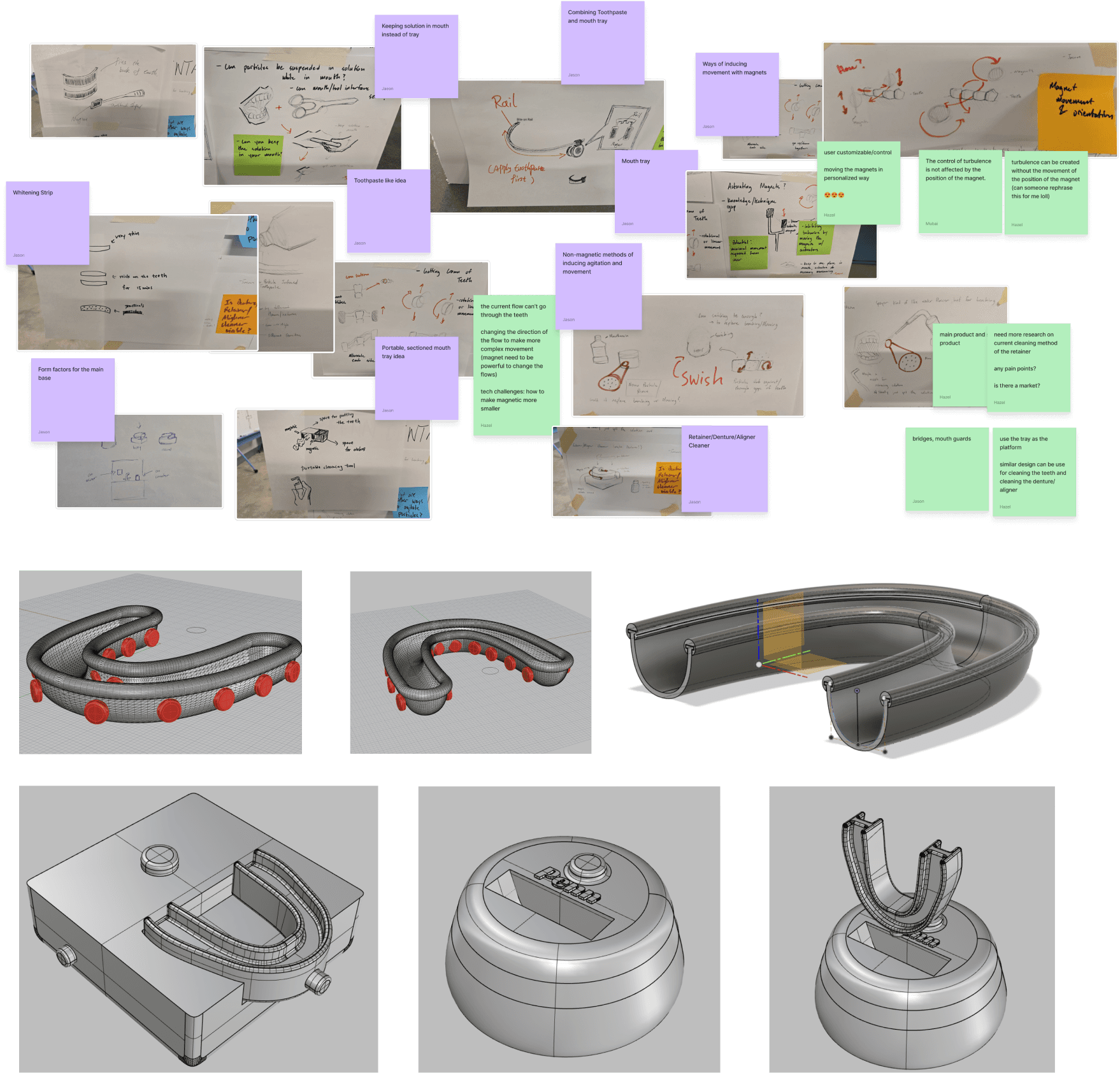
Three co-design sessions were conducted in collaboration with Penn Dental experts, prospective users, and dental professionals to iterate on the technology, system architecture, and form factor.
Final Design
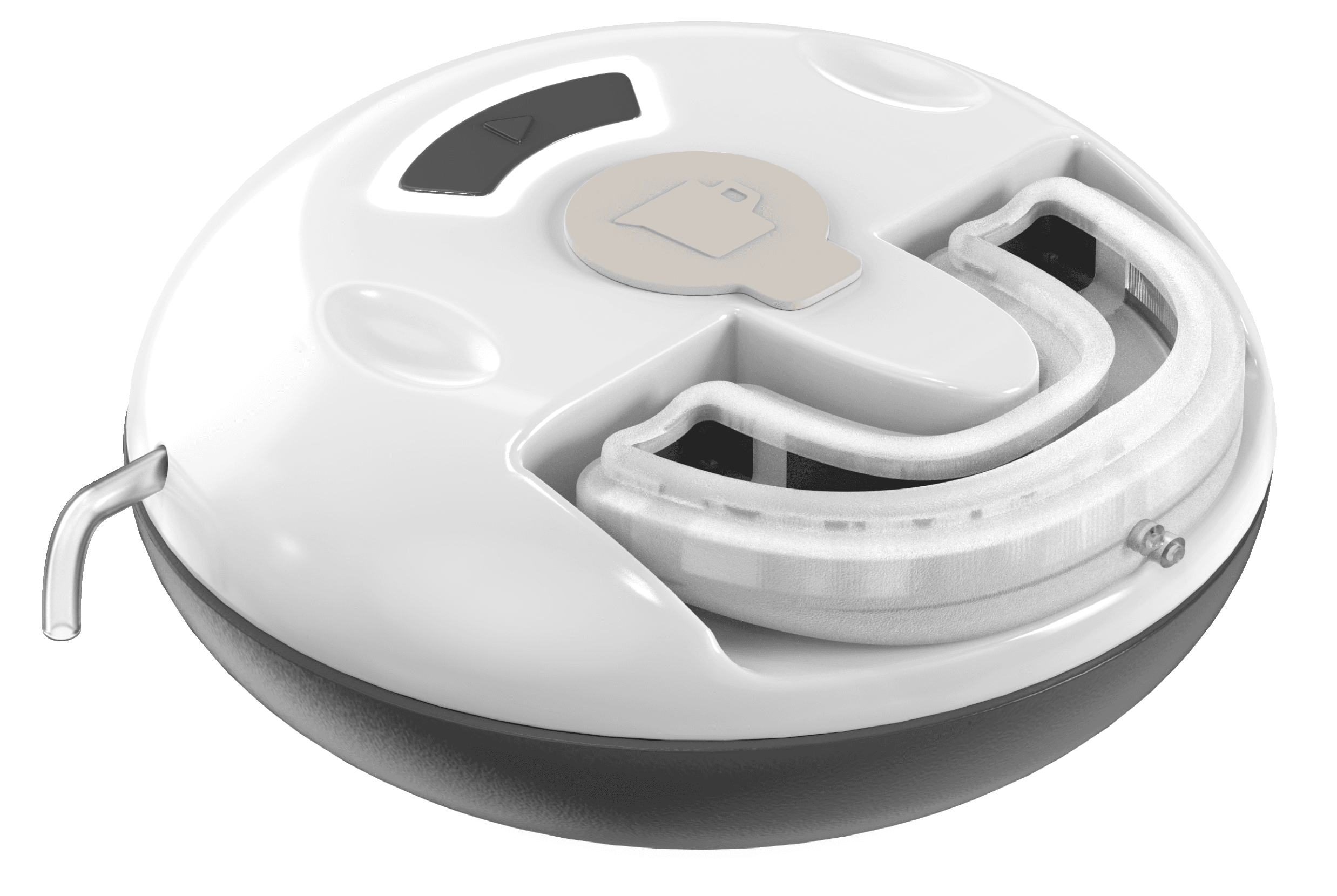
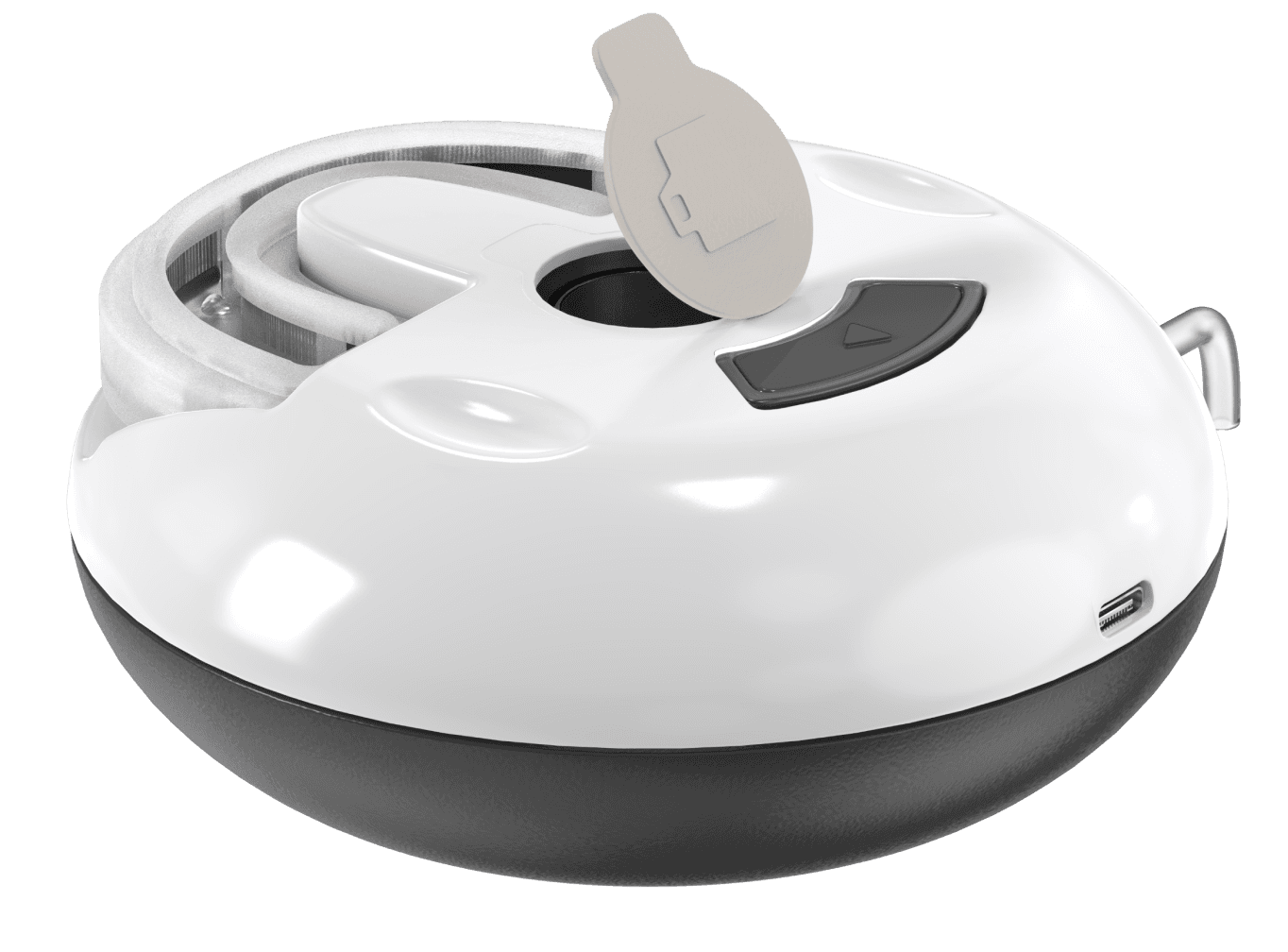
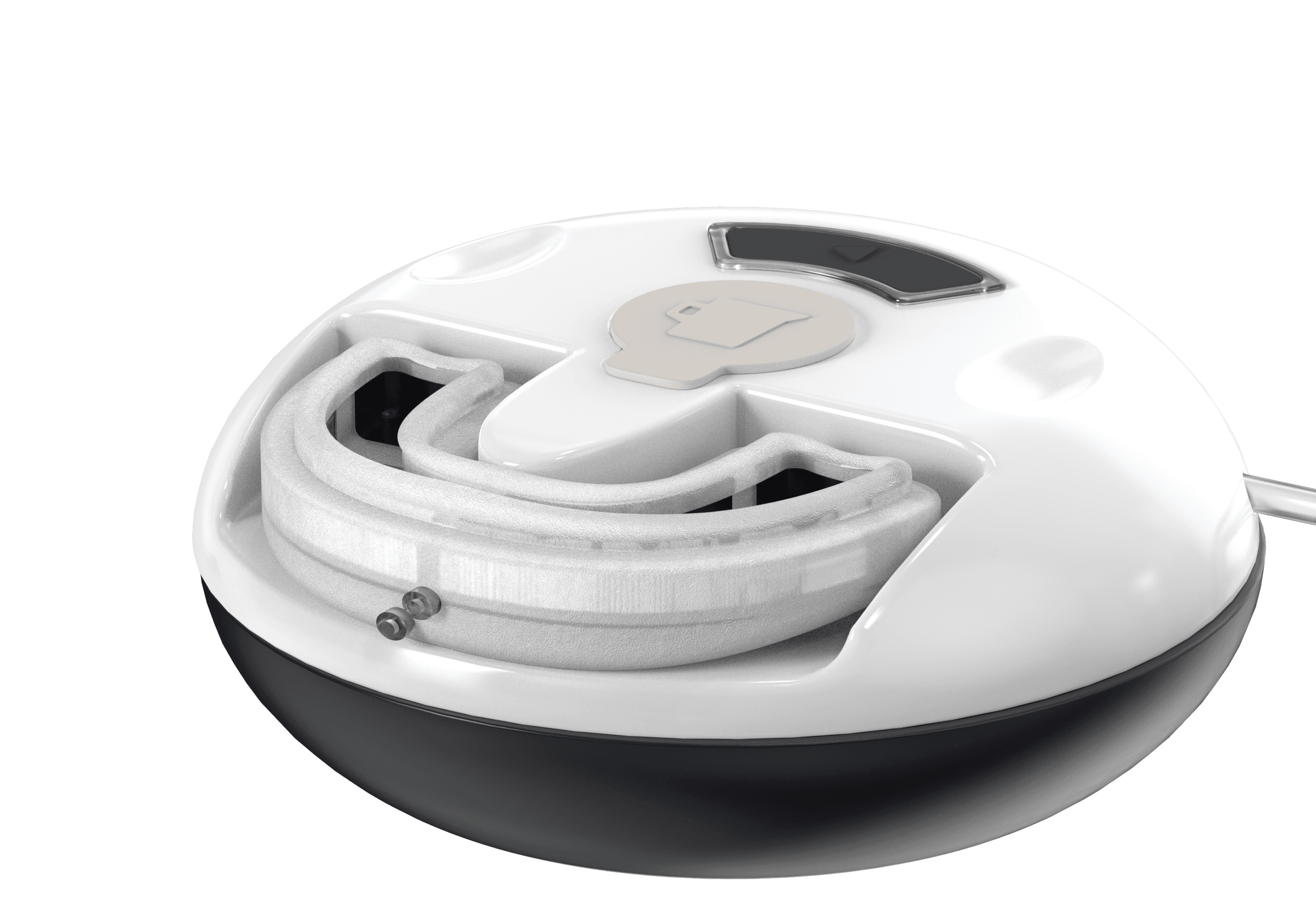
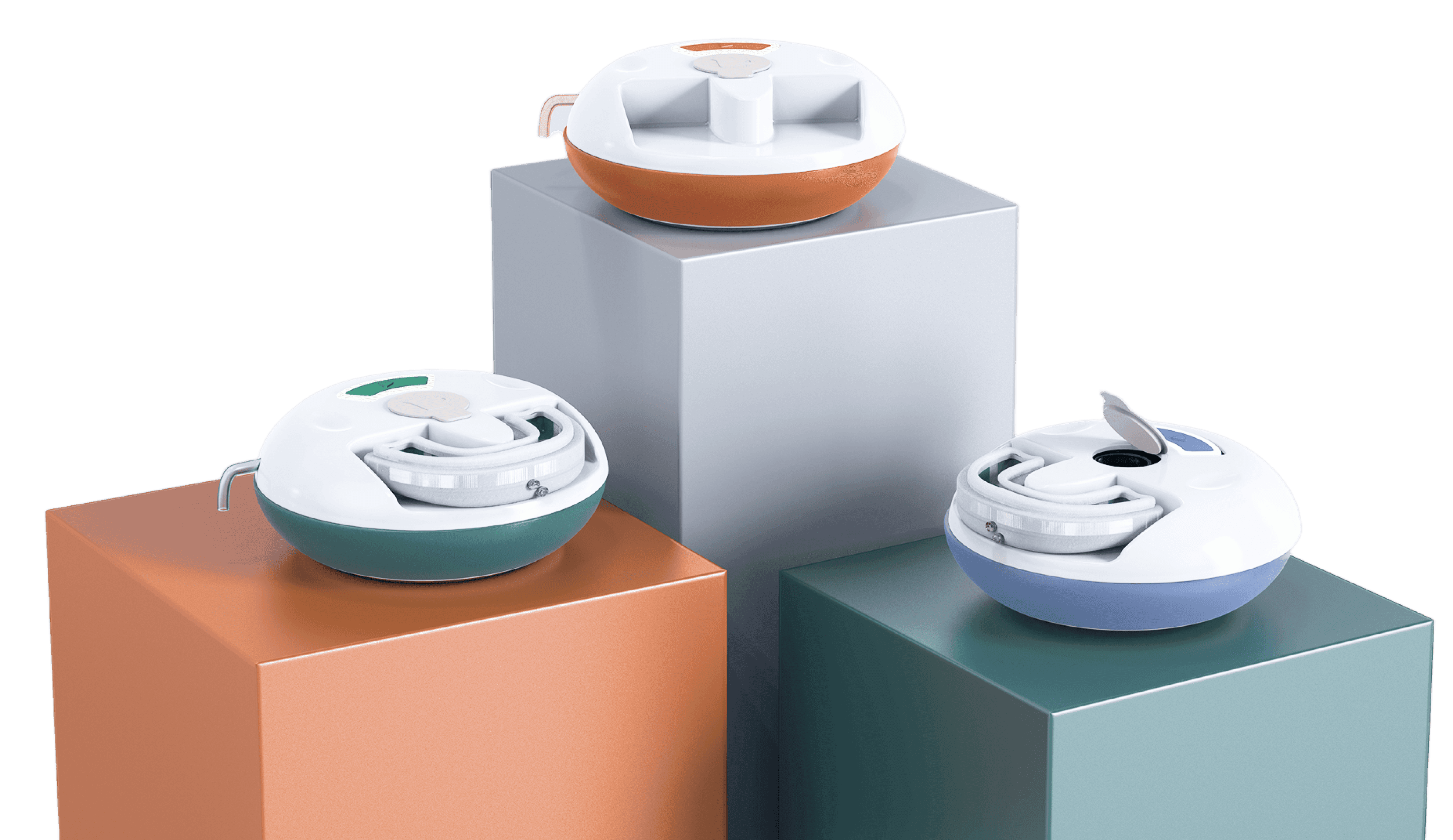
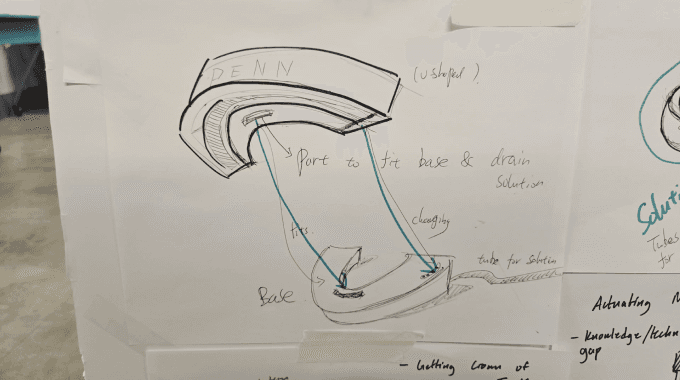
Mouth Tray and Base Combo for in home oral care
This section cannot be shown due to copyright restrictions. Contact for more information.
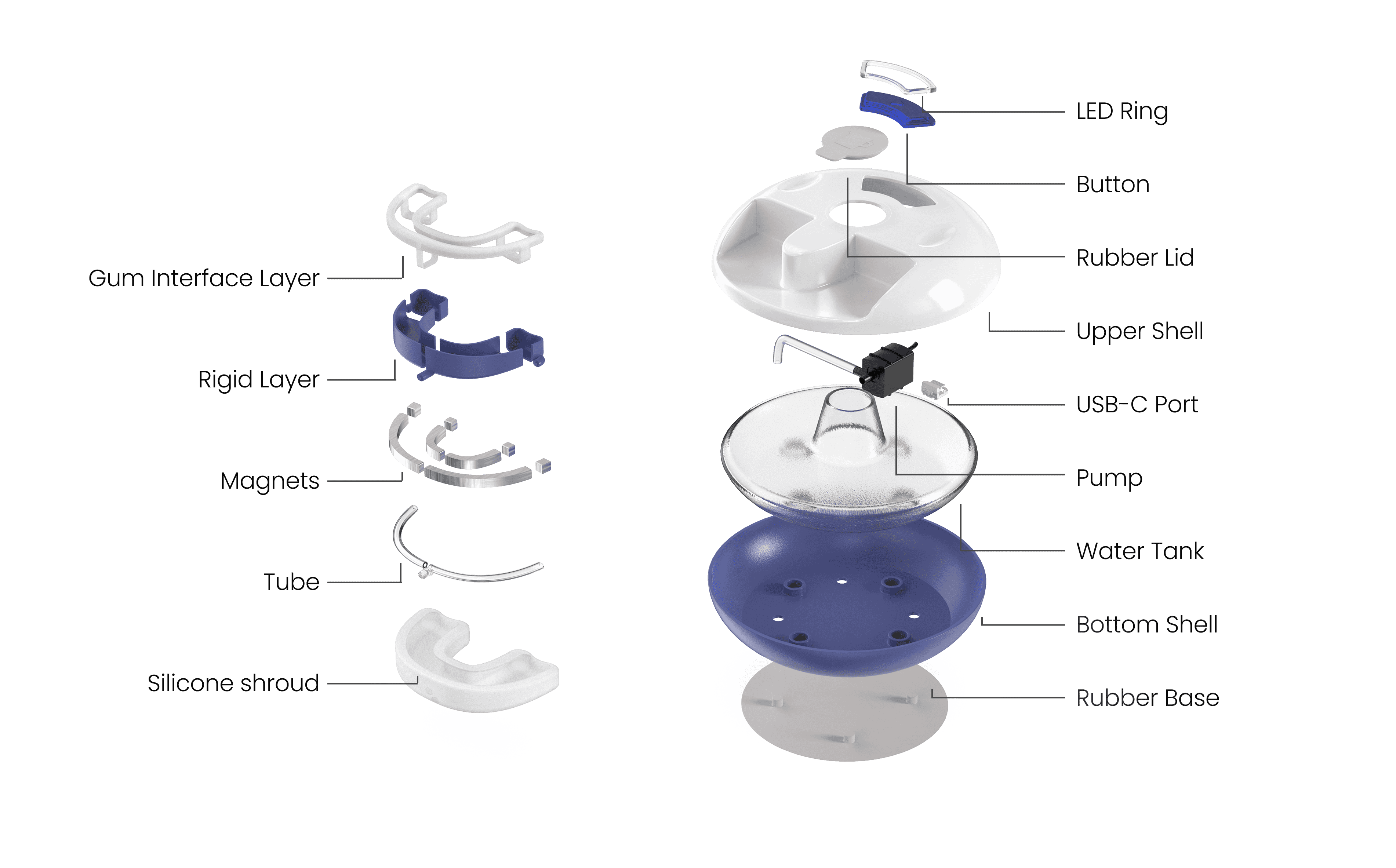
Architecture
The Watertight
Seal Tray
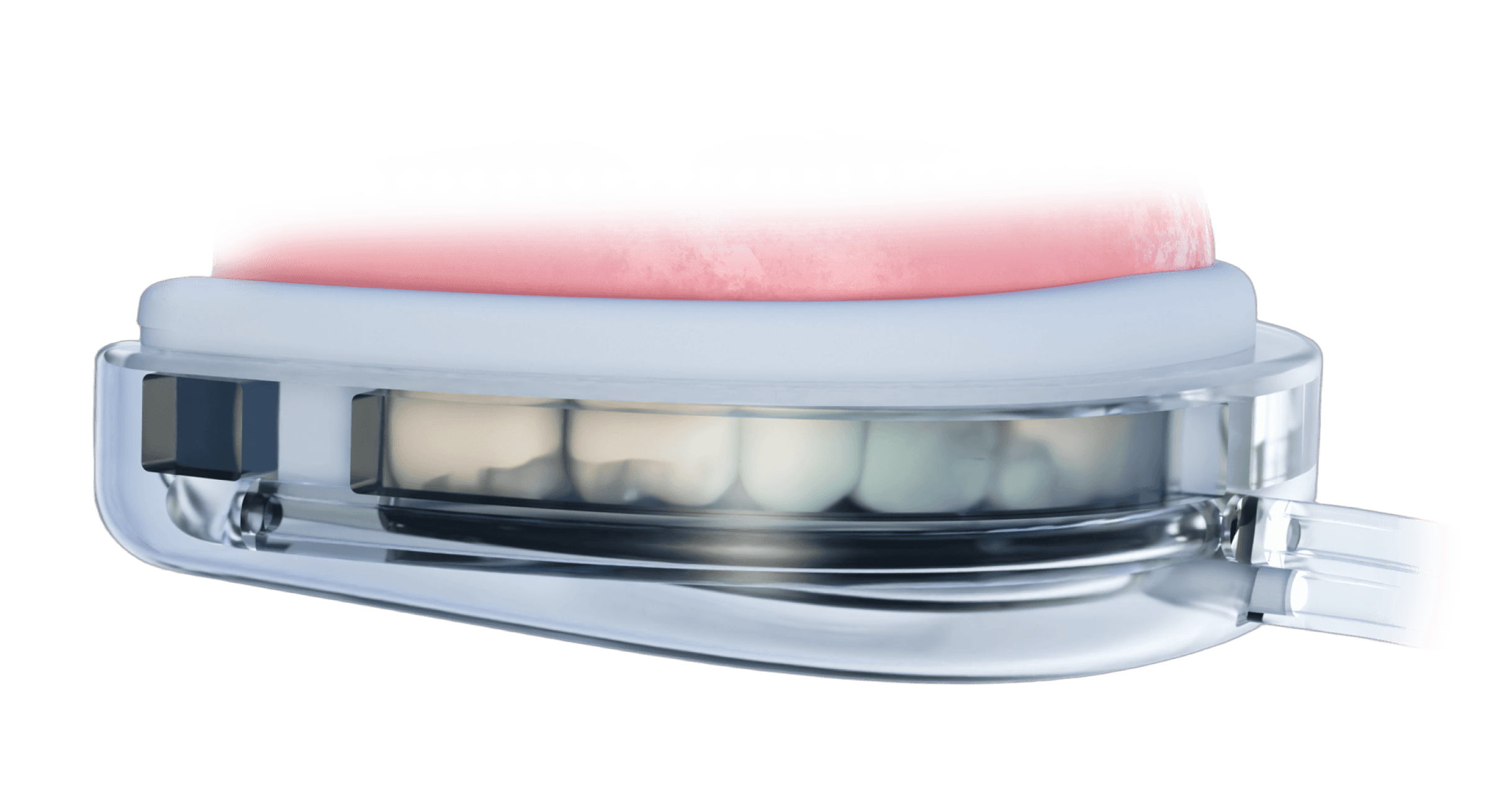
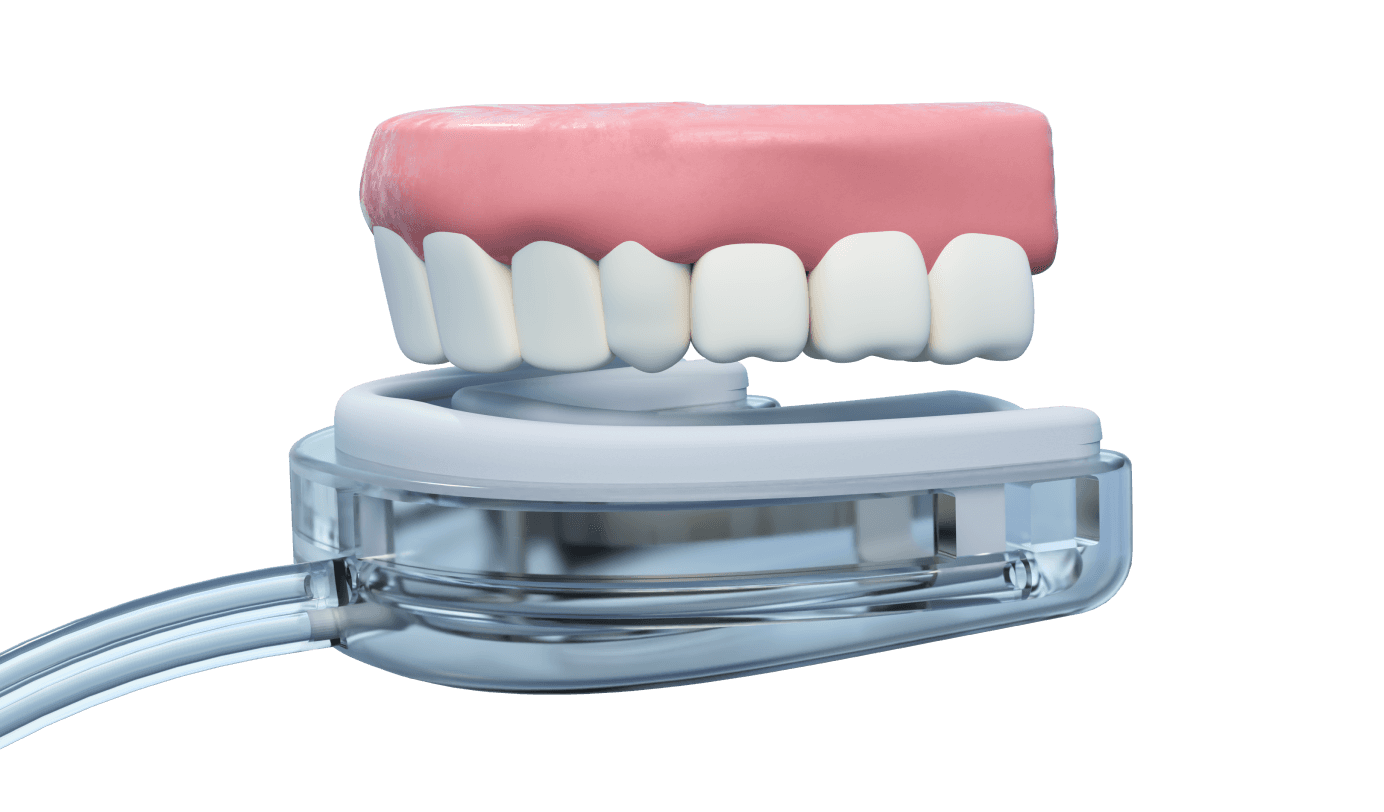
Silicone buffer conforms and presses against the gumline. Negative pressure is created when the pump activates
Silicone Shroud
Pull Tube
Silicone Buffer
The Solution Agitaion

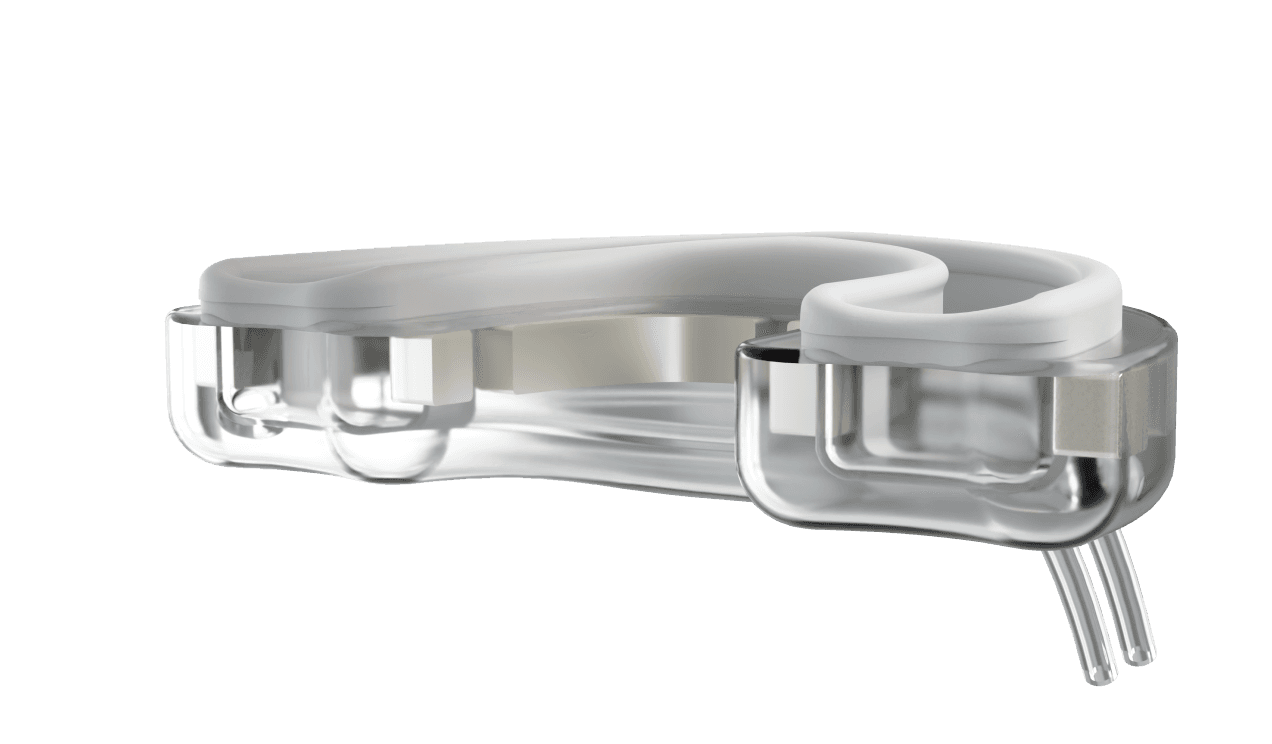
Combining Pumps
With Magnets
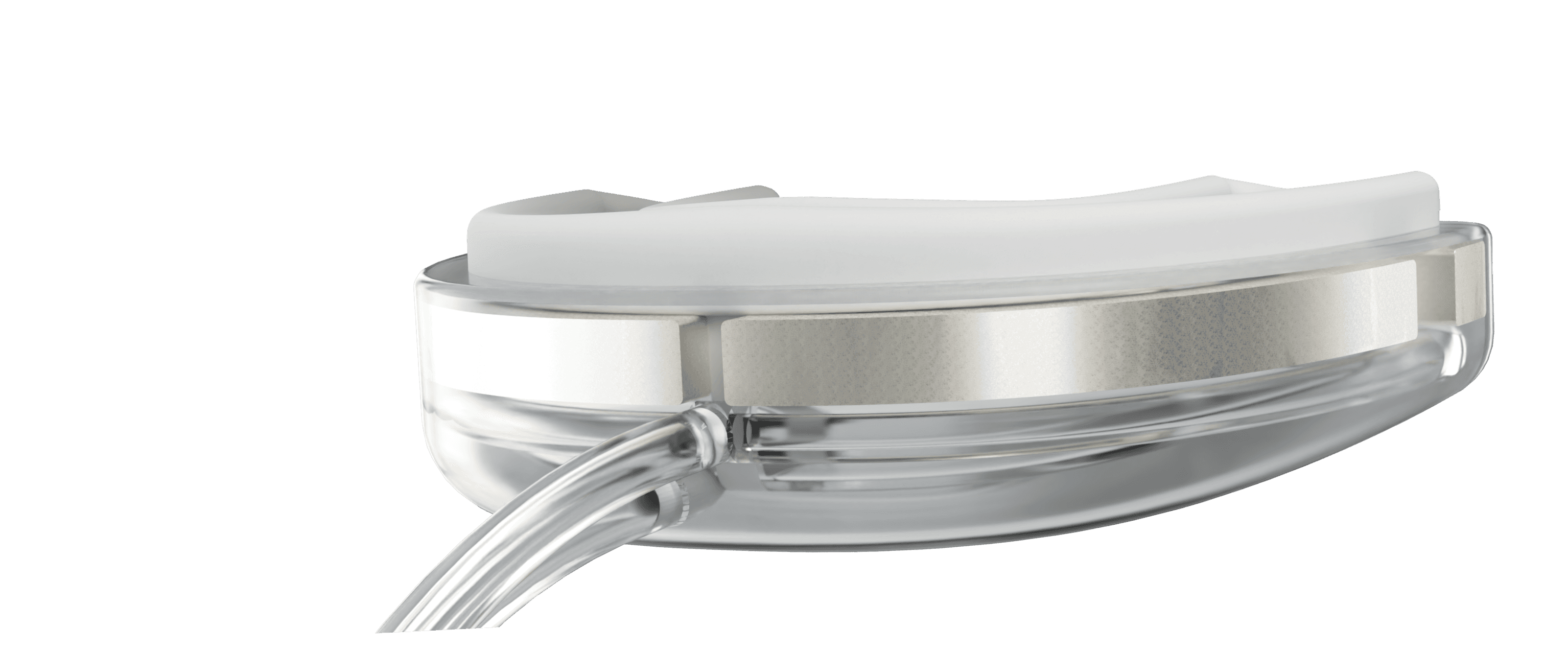
Outer Magnets
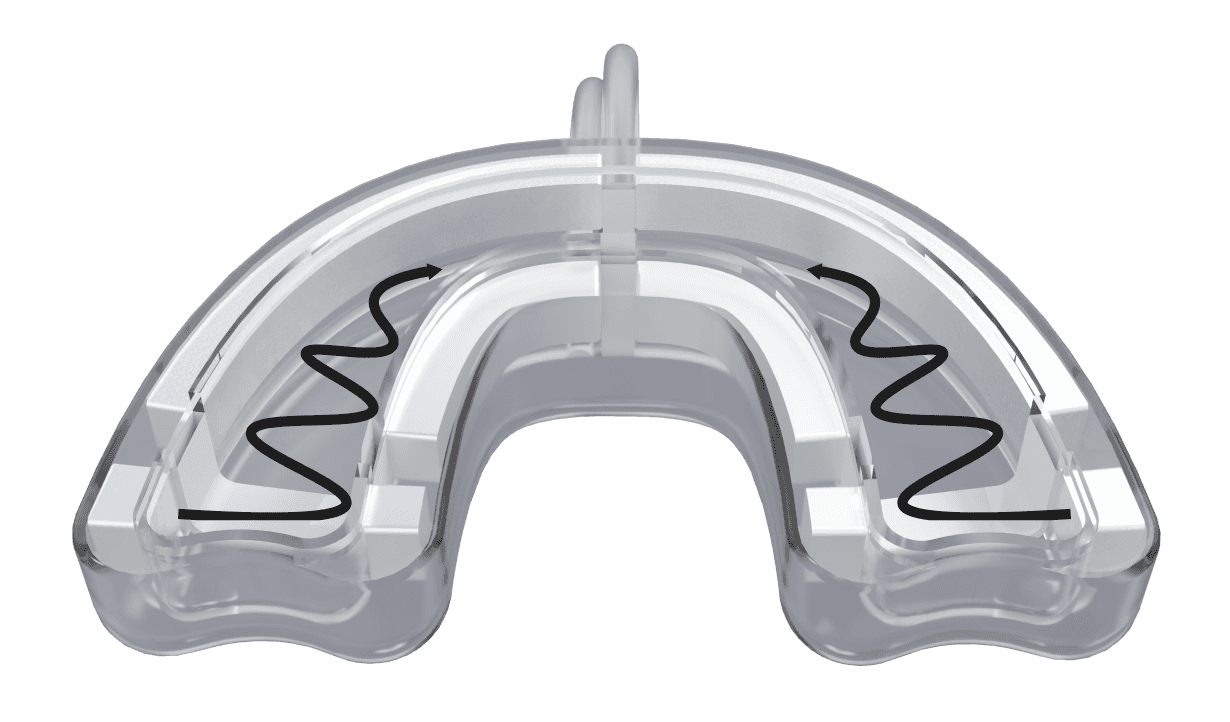
Push End
Pull End
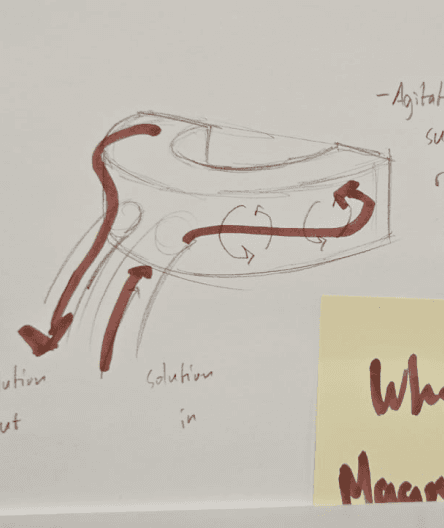
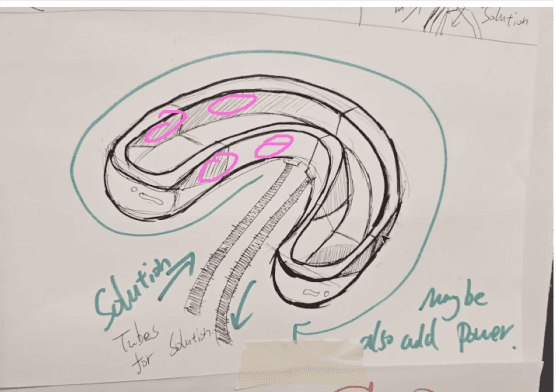
Pumps push/pull the solution from the back to the front while magnets move the solution through the teeth.
Outer Magnets
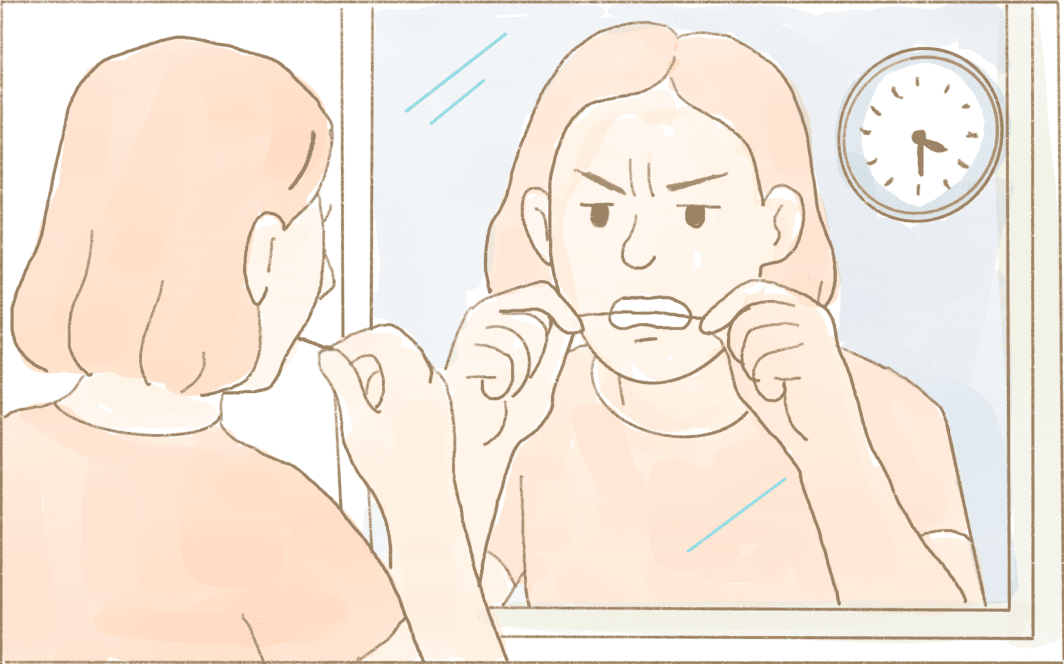
Susan has cavities but dislikes flossing —it takes too long
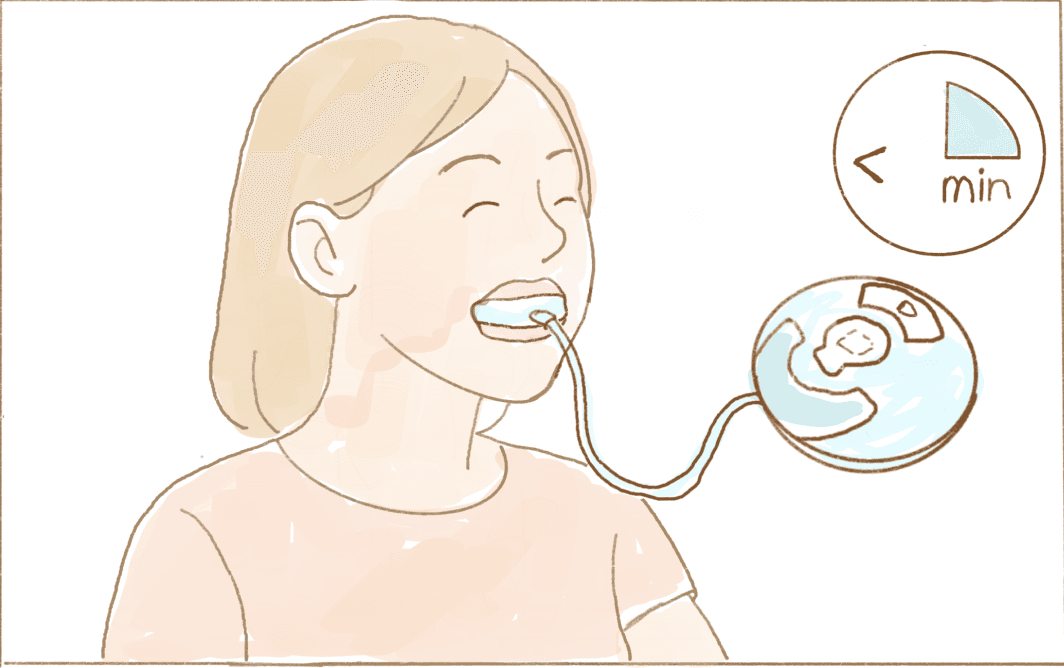
2
Starts the device, pump starts, and the device suck onto her gum line

She grabs the in-home toothbrushing robot.
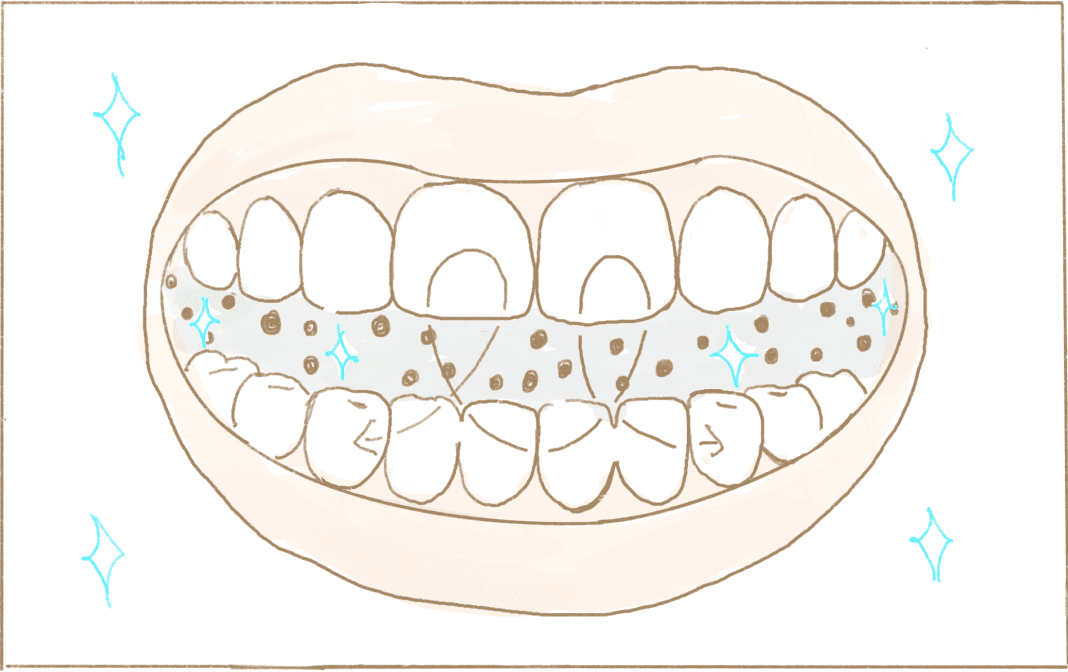
Nano-particles clean between teeth and under gums.
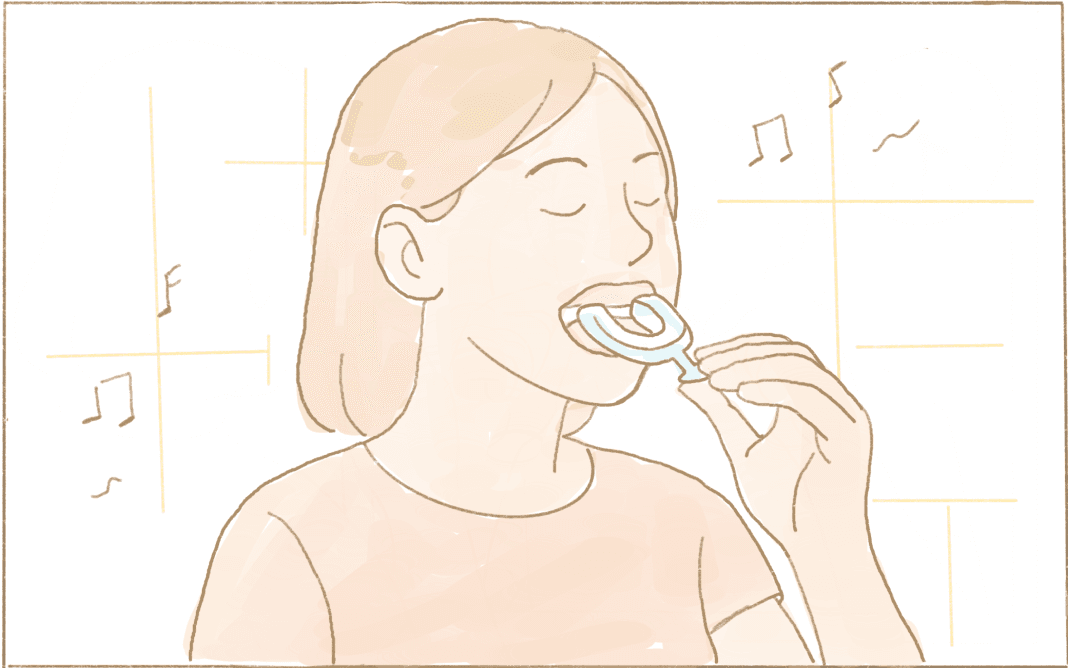
She inserts the mouth tray
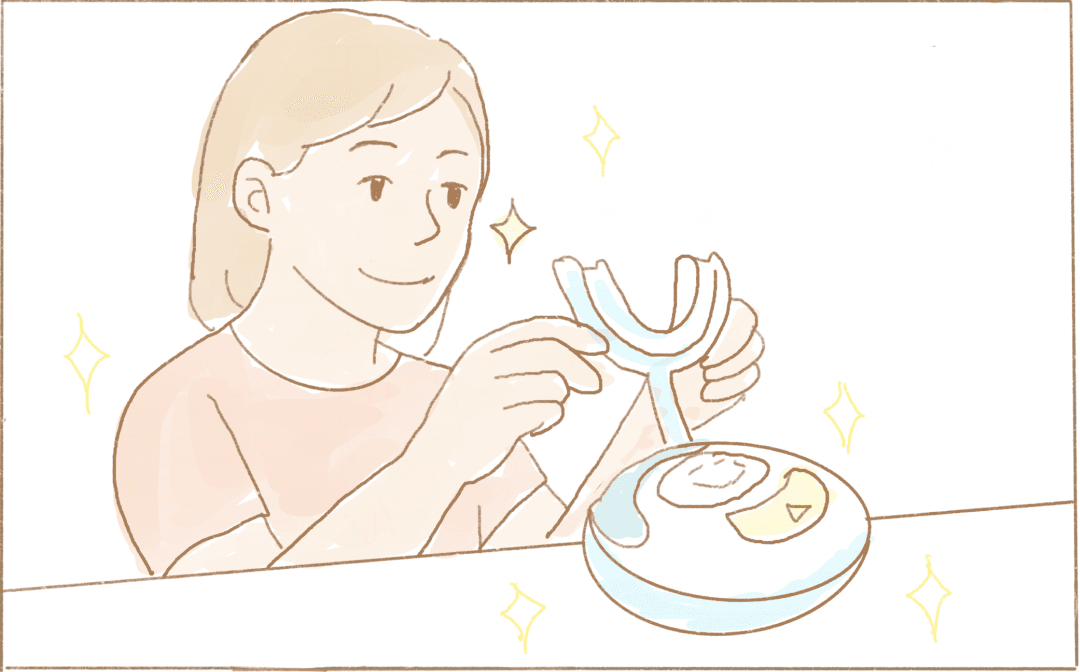
Cleaning done, Susan returns the tray to its base.
Storyboard
Preliminary Research



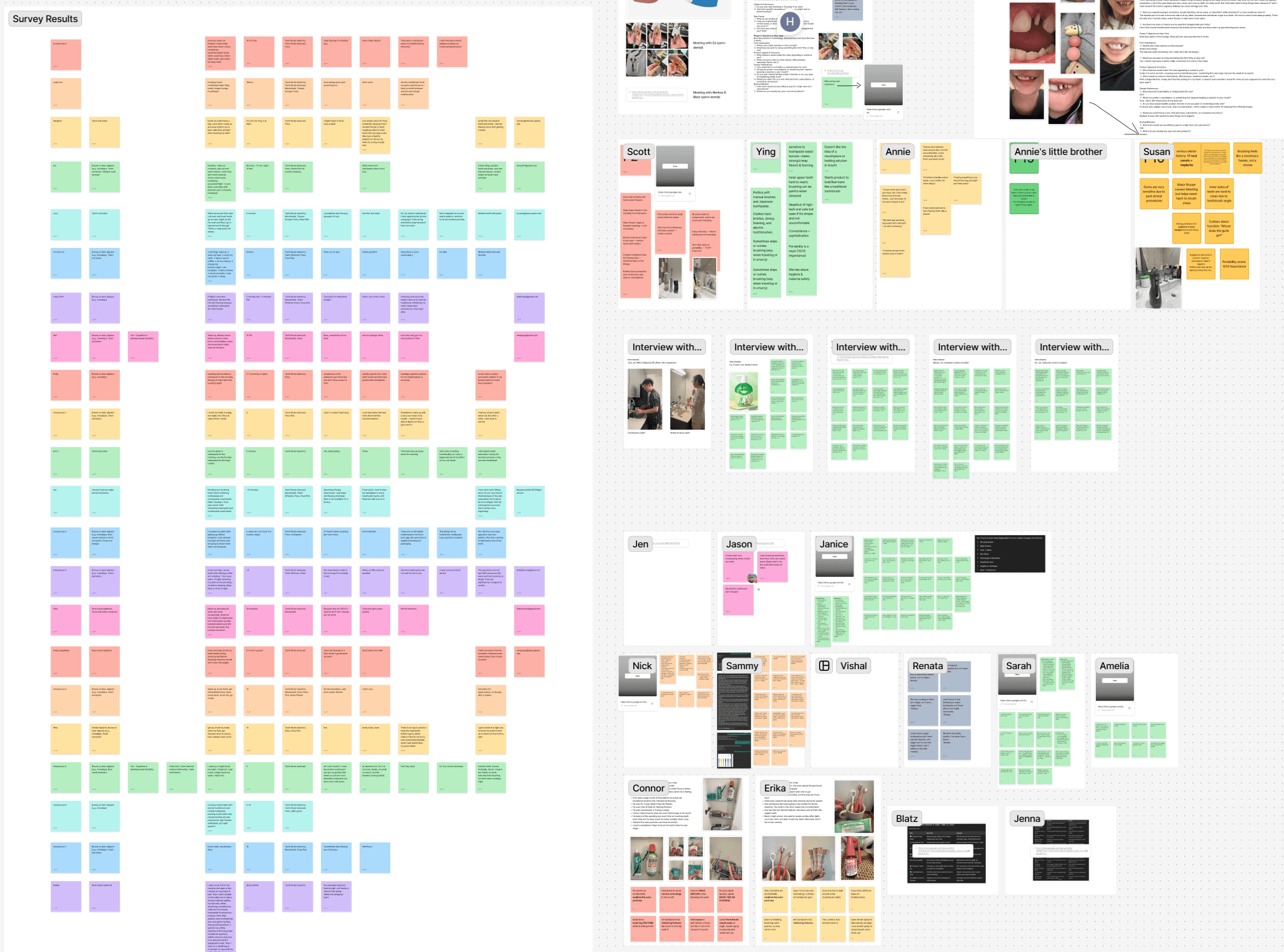
30
Survey Responses
20
1 on 1 Interviews
8
Observations
2
Penn Dental Visits
1. People often judge cleanliness through sensory and social cues, not necessarily by clinical standards.
2. Most people found oral care routines time consuming, leading people to skip steps and cut corners.
3. Comfort and safety are critical, especially for sensitive users
4. For people to adopt this tech, the design must feel simple, safe, ergonomic, and visually appealing.
Ideation
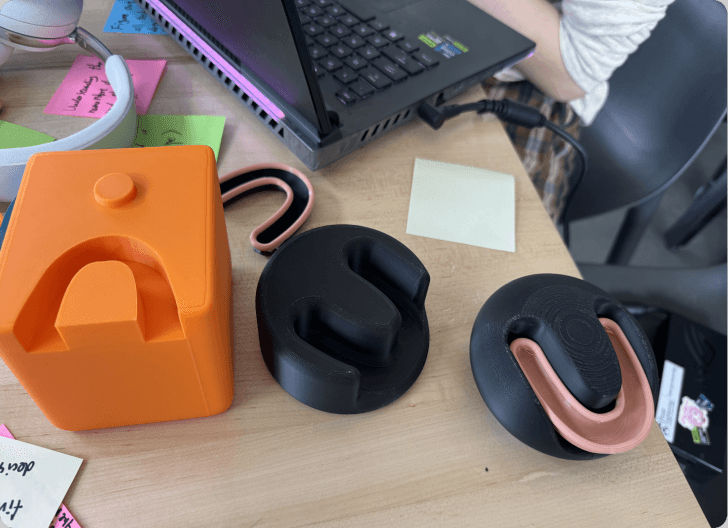
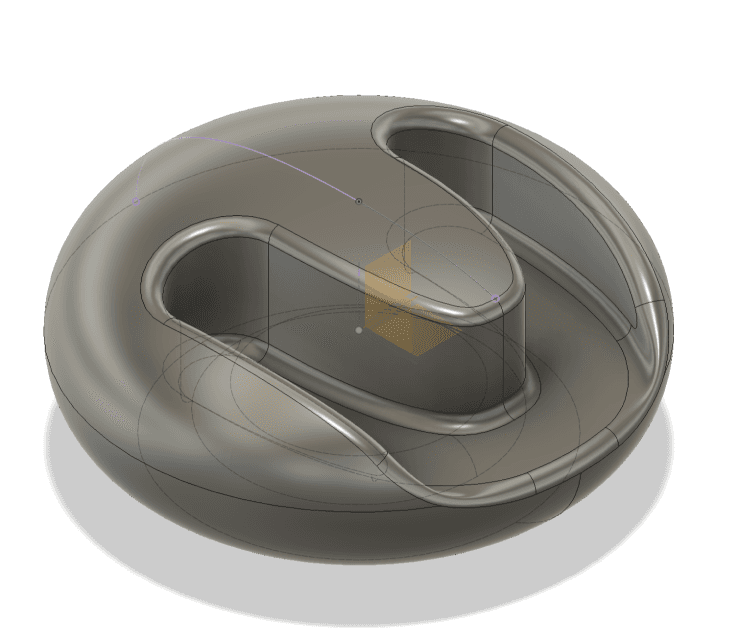
Pebble Form
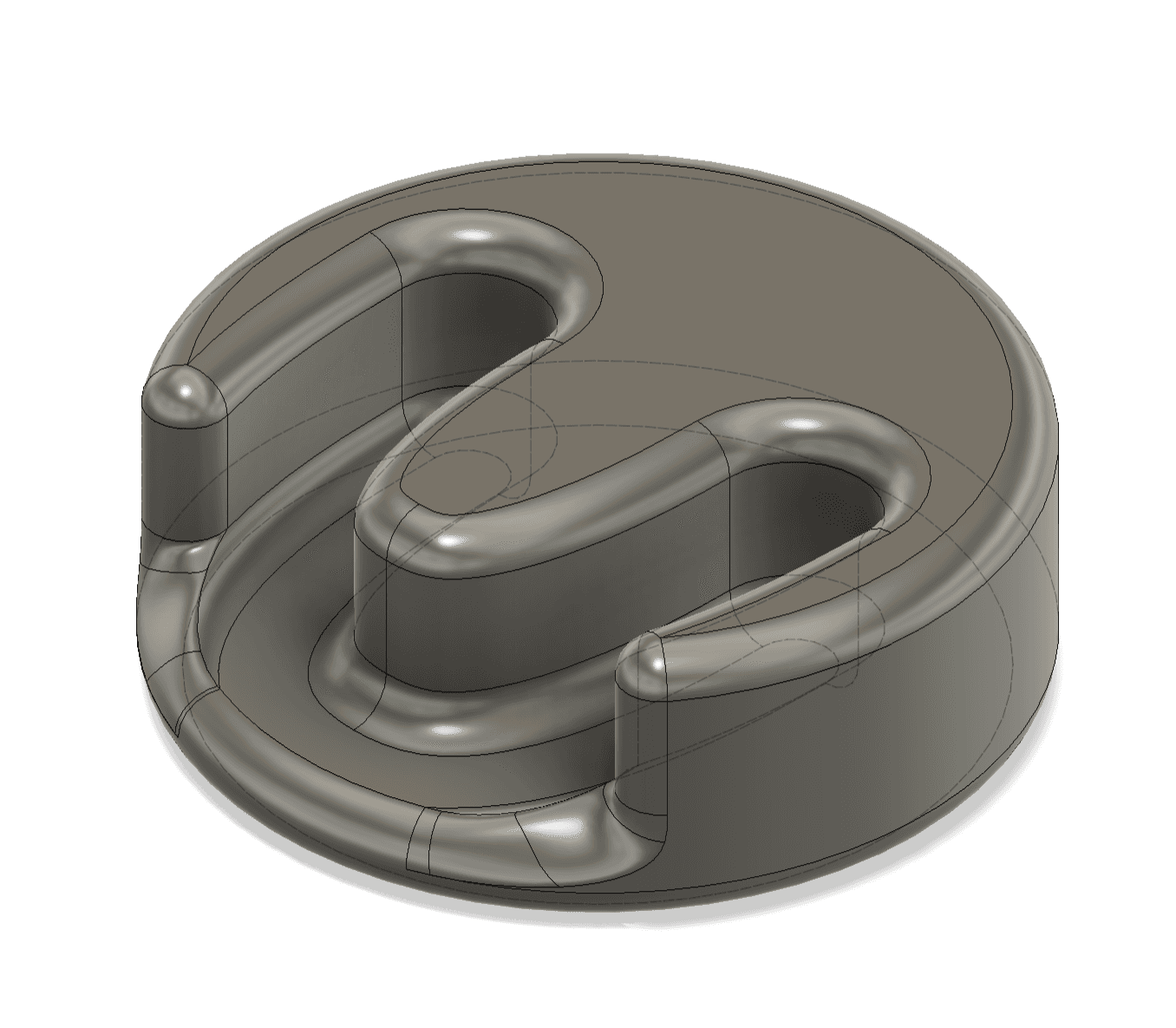
Puck Form
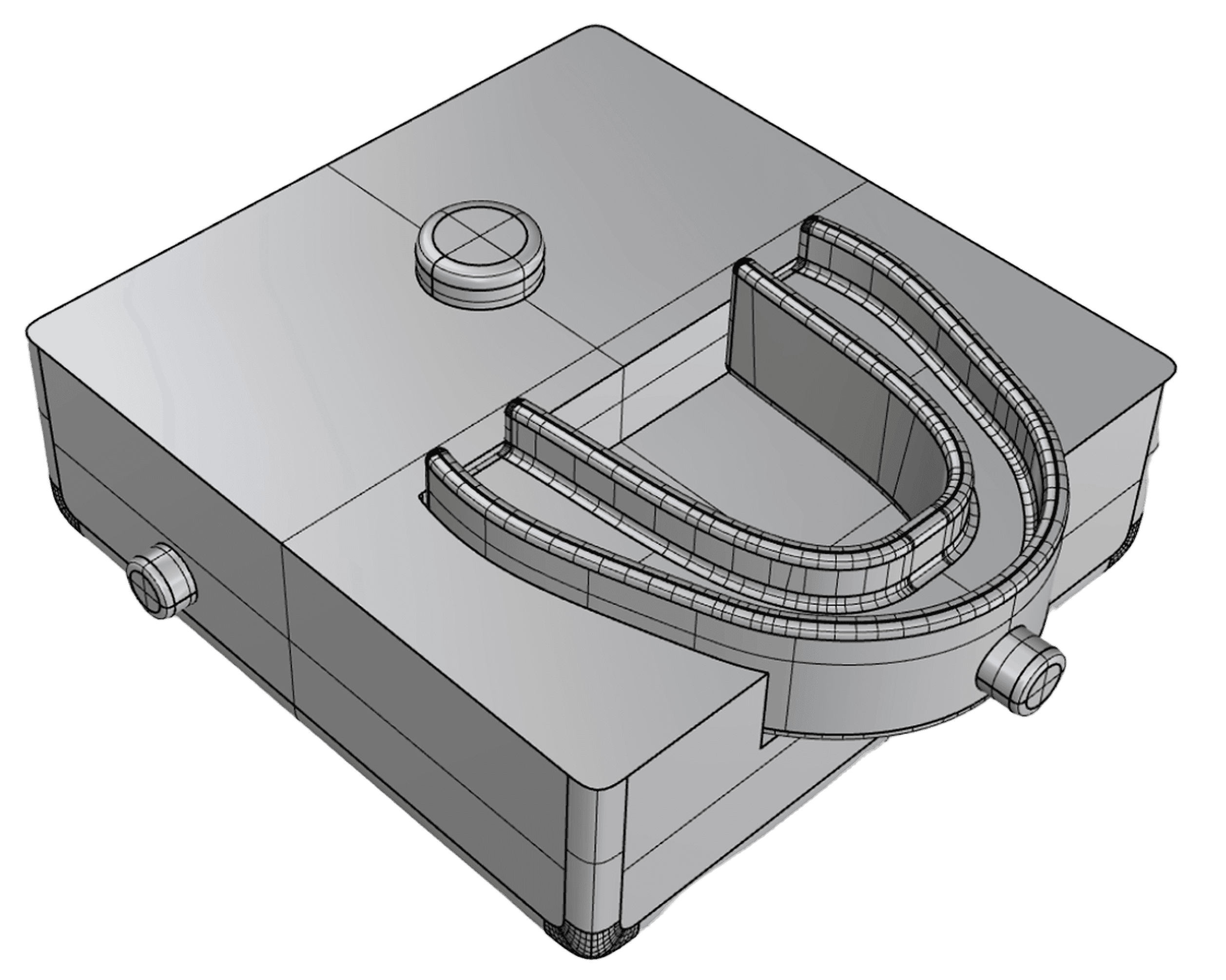
Brick Form
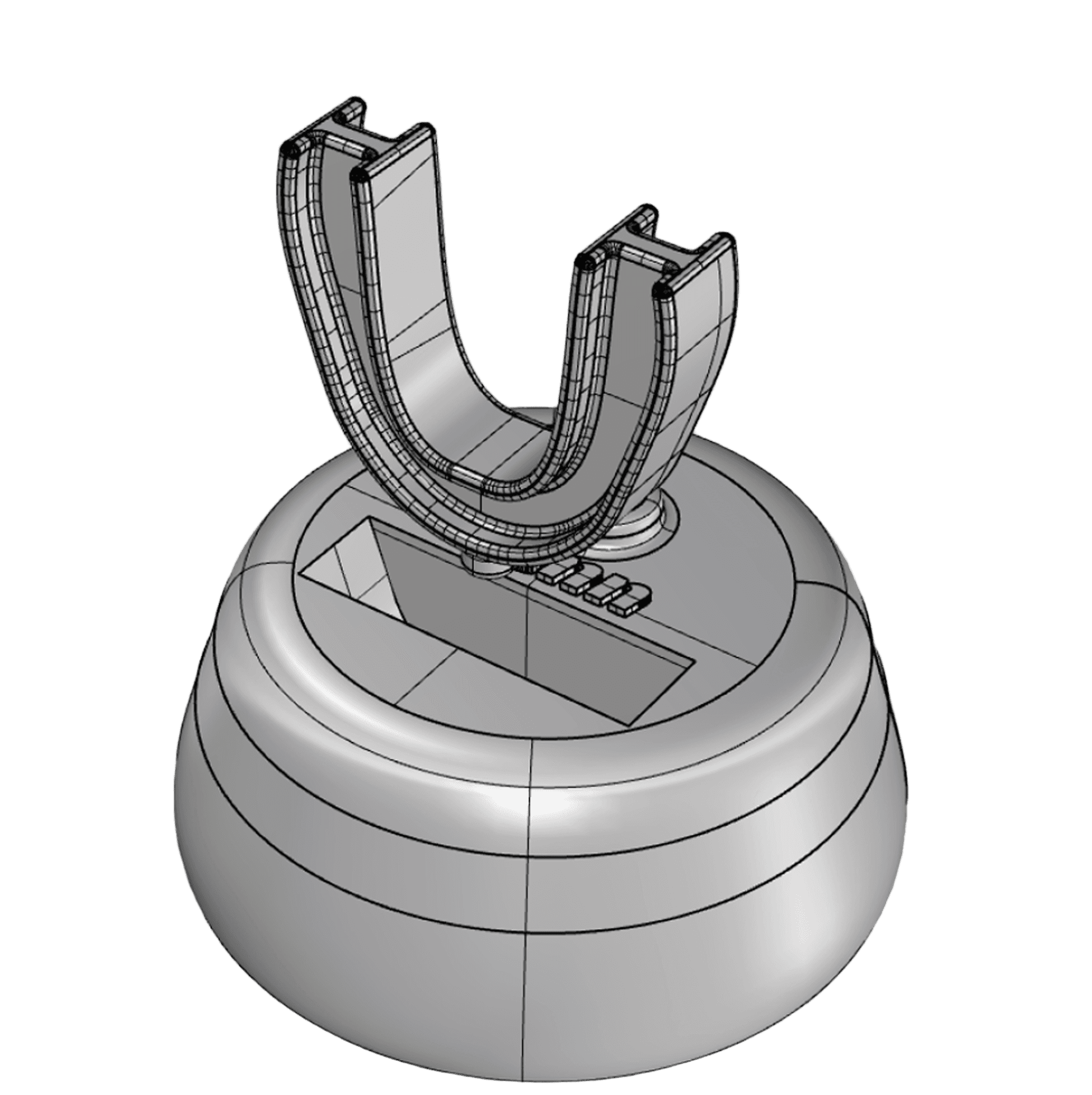
Pudding Form
See report from the Wharton School